
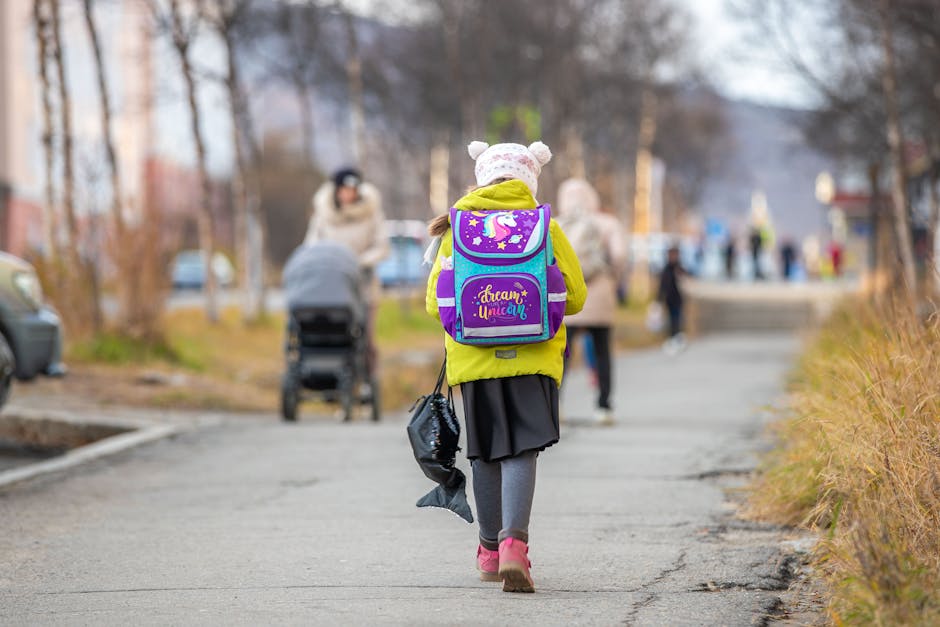
As the school year swings into full gear in Tonawanda, NY, students are seen walking, biking, or waiting at bus stops with backpacks slung over their shoulders. While backpacks are essential for carrying books and school supplies, their weight can silently impact children’s health in ways many families may not realize. Let’s explore how backpack weight affects children, specific risks relevant to Tonawanda’s youth, and what you can do to protect your child’s growing spine.
Why Backpack Weight Matters for Children
Children’s bodies are still developing—bones, muscles, and joints are more susceptible to external stresses than those of adults. When a child carries an excessively heavy or improperly worn backpack, it can lead to a cascade of health issues, both short and long-term. In Tonawanda, where active lifestyles and walking or biking to school are common thanks to our safe neighborhoods and local schools like Tonawanda Middle/High School and Fletcher Elementary, this concern is especially relevant.
Common Health Problems Caused by Heavy Backpacks
- Back and Shoulder Pain: Persistent aching in the lower, middle, or upper back is a common complaint. Heavy backpacks can strain muscles and compress the spine.
- Poor Posture: Kids often compensate for excess weight by leaning forward, rounding their shoulders, or tilting to one side, resulting in poor posture habits that are hard to break.
- Nerve Compression: Excessive weight pressing on the shoulders via straps can compress nerves, causing tingling, numbness, or weakness in the arms and hands.
- Headaches: Muscle tension from spinal misalignment and shoulder strain can trigger headaches, impacting your child’s focus and mood.
How Heavy Is Too Heavy?
Chiropractic and pediatric health associations recommend that a child’s backpack should not exceed 10–15% of their body weight. For a 70-pound child, that’s roughly 7–10 pounds total. Yet, surveys in communities similar to Tonawanda consistently find children routinely carrying much heavier loads—often weighing 15–30% of their body weight.
Real Life in Tonawanda: Local Trends
Local students regularly participate in after-school activities like sports, music lessons, and clubs, requiring them to carry not just books, but also athletic equipment, musical instruments, or art supplies. Add winter gear through our Upstate New York cold season, and the load increases even more. When you see lines of kids trudging down Fletcher Street or exiting school buses on Delaware Avenue, pay close attention to their posture and gait—often, backpack weight is affecting the way they walk.
Signs Your Child’s Backpack Is Too Heavy
Parents in Tonawanda should keep an eye out for:
- Complaints of back, neck, or shoulder pain
- Rubbing or red marks on the shoulders
- Leaning forward when carrying the backpack
- Difficulty putting on or taking off the backpack
- Struggling to stand up straight
Noticing these signs early can help prevent the onset of chronic conditions that could affect your child’s health well into adulthood.
The Science of Spinal Health in Growing Kids
Children's spines are delicate, with growth plates still progressing until late adolescence. Excessive weight compresses the spine’s discs and can contribute to misalignment, abnormal curvature, or scoliosis-like posture over time. In environments like Tonawanda, where many students walk a considerable distance to and from school or their activities, spinal strain can accumulate quickly during a busy school week.
Tips for Safe Backpack Use
Promoting healthy backpack habits can significantly reduce your child’s risk of injury. Here are some chiropractor-approved tips that are especially relevant for active Tonawanda families:
- Weigh the Backpack: Routinely check your child’s bag and remove unnecessary items.
- Select the Right Backpack: Choose one with wide, padded shoulder straps and a padded back. Look for a waist or chest strap which helps distribute weight.
- Wear Both Straps: Teach your child to use both shoulder straps. Slinging the backpack over one shoulder can lead to spinal asymmetry.
- Adjust the Straps: The backpack should rest evenly in the middle of the back—not sagging below the waist.
- Pack Smart: Place heavier books closest to the back; distribute weight evenly.
- Consider a Locker Routine: Encourage your child to use their locker between classes whenever possible to lighten their load.
- Limit Non-Essentials: Evaluate which items truly need to travel to and from home every day.
How Local Schools and Families Can Work Together
Many Tonawanda schools are starting to recognize the impact of heavy backpacks. Some have introduced digital textbooks or lighter educational materials. Parents and caregivers can support these efforts by:
- Communicating with teachers to coordinate homework assignments and materials needed each day
- Participating in parent-teacher organizations to advocate for ergonomic awareness
- Promoting school health programs that teach backpack safety
- Lobbying for adequate locker space and packing-friendly school schedules
When to Seek Professional Help
If your child experiences persistent back, neck, or shoulder pain—even after lightening their backpack—consult a healthcare professional such as a chiropractor. Early assessment and intervention prevent long-term issues and support healthy growth.
In Tonawanda, chiropractors understand the unique demands placed on children’s bodies by our active lifestyle, varied weather, and vibrant school culture. They can provide custom advice, demonstrate proper backpack fitting, and address any spinal imbalances.
Creating a Culture of Spine Health in Tonawanda
A community-wide approach is best. Schools, parents, coaches, and health professionals can unite to ensure that Tonawanda’s children develop lifelong habits that protect their growing bodies. Encourage your children not only to stand tall with pride in their learning but also to take pride in safe, healthy habits each day.
By making simple changes and staying vigilant, Tonawanda families can help every child journey safely to and from school—today and for years to come.
