
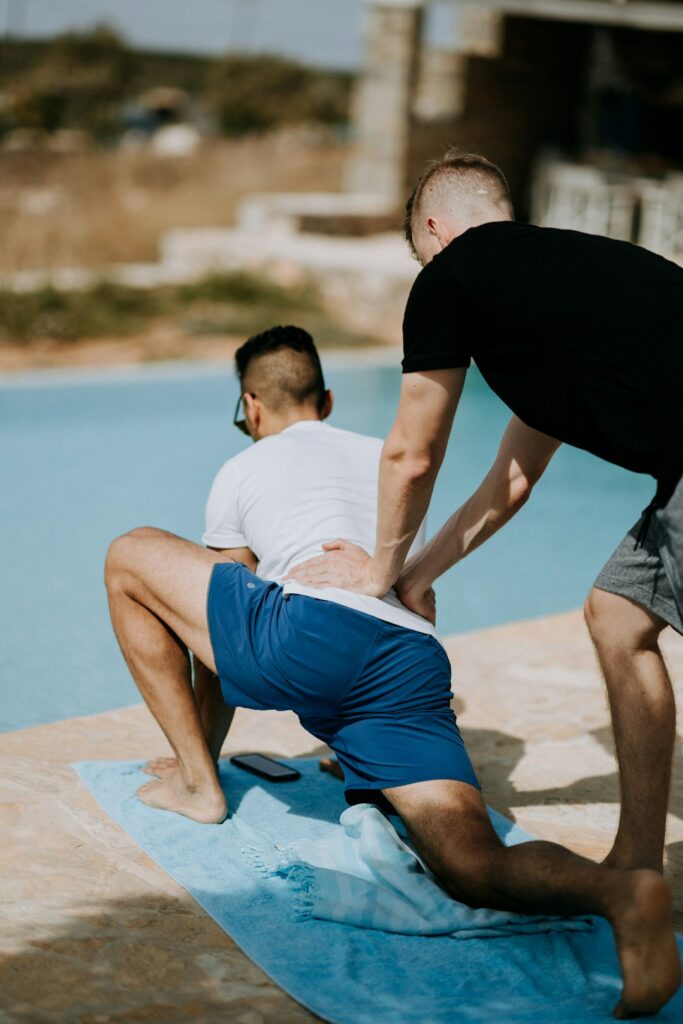
Travel is a great way to relax, explore the world, and make lasting memories. Whether Tonawanda, NY residents are hitting the Niagara Wine Trail, heading to Buffalo for business, or flying south for a winter getaway, travel often means long hours sitting in cars, buses, trains, or airplanes. Unfortunately, these extended periods of inactivity can lead to or exacerbate lower back pain, especially in those already managing tightness or old injuries. As your trusted local chiropractor, let’s explore how to prevent lower back pain and make your next trip as comfortable as possible.
Why Travel Triggers Lower Back Pain
Travel disrupts our daily routines. Prolonged sitting, lifting heavy luggage, and sleeping in unfamiliar beds are common triggers for back discomfort. When you spend hours on Route 290, wait in line at Buffalo Niagara International Airport, or carry bags through the Elmwood Village, your spine endures stressors it’s not used to.
*Prolonged sitting places pressure on your lumbar discs and tightens hip flexors.*
*Awkward seating (think: airplane seats or cramped car rides) limits natural movement.*
*Heavy lifting puts strain on your lower back muscles.*
Lack of physical activity reduces blood flow and encourages muscle stiffness.
Understanding these risks is the first step toward prevention.
Tonawanda Activities That Inspire Local Travel
Tonawanda’s active community loves outdoor adventures, from biking the Erie Canalway Trail to kayaking on the Niagara River. We’re used to moving! But when it’s time to travel, those daily active habits are disrupted. Prepping your body for upcoming trips—be it a weekend at Niagara Falls or a drive to Ellicottville for skiing—will make a big difference.
Pre-Trip Preparations for Lower Back Health
Before your trip even starts, some simple preparations can help protect your back:
*Maintain your fitness routine.* Strong core and back muscles stabilize your spine. Local gyms like Tonawanda’s LA Fitness can be perfect for keeping up with exercise.
*Stretch regularly.* Focus on hip flexors, hamstrings, glutes, and lower back muscles. Gentle yoga at Isle View Park is a great way to add stretching into your week.
*Visit your chiropractor.* A quick spinal check-up before your journey ensures you’re starting off strong and balanced.
*Pack smart.* Use luggage with wheels or backpacks that distribute weight evenly. Instead of one heavy suitcase, split your belongings into two lighter bags.
Best Practices During Your Journey
Whether you’re taking a road trip to the Finger Lakes or flying out of Buffalo, here are practical ways to minimize back discomfort:
1. Move Regularly
*On Road Trips:*
- Schedule a stop every 1-2 hours. Stretch your legs, do a few gentle twists, and walk a couple laps around the rest stop.
- If you’re carpooling with family to Bills games, take advantage of tailgate time to move around.
- Adjust your seat for lumbar support—roll up a small towel and place it at your lower back.
*On Flights or Trains:*
- Request an aisle seat for easy access to walk and stretch every hour.
- Perform in-seat movements: ankle circles, knee lifts, and small back stretches.
- Use a lumbar pillow or rolled-up sweater for support.
2. Practice Proper Lifting Technique
Whether grabbing bags from a trunk or airport carousel:
- Bend at the knees, not the waist.
- Keep bags close to your body.
- Avoid twisting when lifting or setting down.
3. Use Ergonomic Support
- Bring a travel pillow or lumbar roll.
- Pack a small blanket for extra lower back support.
- If driving, adjust seats so your hips and knees are level, feet flat, arms relaxed.

4. Stay Hydrated and Nourished
Dehydration can stiffen muscles and ligaments. Bring a reusable water bottle (like the ones at local Tonawanda farmer’s markets) and healthy snacks to keep energy stable.
Hotel Stays: Sleeping Well Away from Home
Staying at inns on Grand Island or downtown Buffalo? Mattress quality can impact sleep and back health. To minimize discomfort:
*Ask for extra pillows to support knees (when sleeping on your side) or under lower back (when on your back).
*If the bed is too soft or lumpy, layer blankets for a firmer surface.
*Stretch lightly each morning and evening.
After You Arrive: Keep Moving
Explore your destination on foot or rent bikes if available—both are easy habits for Tonawandans and keep your back feeling good. Even short walks after meals enhance circulation and reduce muscle tightness.
Quick Stretches & Exercises for Travelers
Here are easy stretches you can do in your hotel room or at rest stops:
*Seated Spinal Twist:*
Sit tall and gently twist to each side.
*Standing Hamstring Stretch:*
Prop heel on a low surface, keep knee straight, lean forward gently.
*Knee-to-Chest Stretch:*
Lying on your back, bring knees to chest one at a time.
*Cat-Cow Stretch:*
On hands and knees, arch and round your back gently.
Repeat each stretch 2-3 times, holding for 15-30 seconds.
When to Seek Professional Help
If you notice persistent back pain after your trip, don’t ignore it! Schedule an appointment with a chiropractor in Tonawanda. Early intervention can prevent minor strains from becoming major issues.
Conclusion: Travel Smart, Stay Comfortable
Travel is part of life in Western New York, taking us from Tonawanda’s summer festivals to family gatherings across the region. With the right habits—from pre-trip prep, smart packing, and regular movement to simple stretches—you can keep lower back pain at bay and enjoy every journey. Safe travels, and remember: prioritize your health no matter where the road takes you!
