
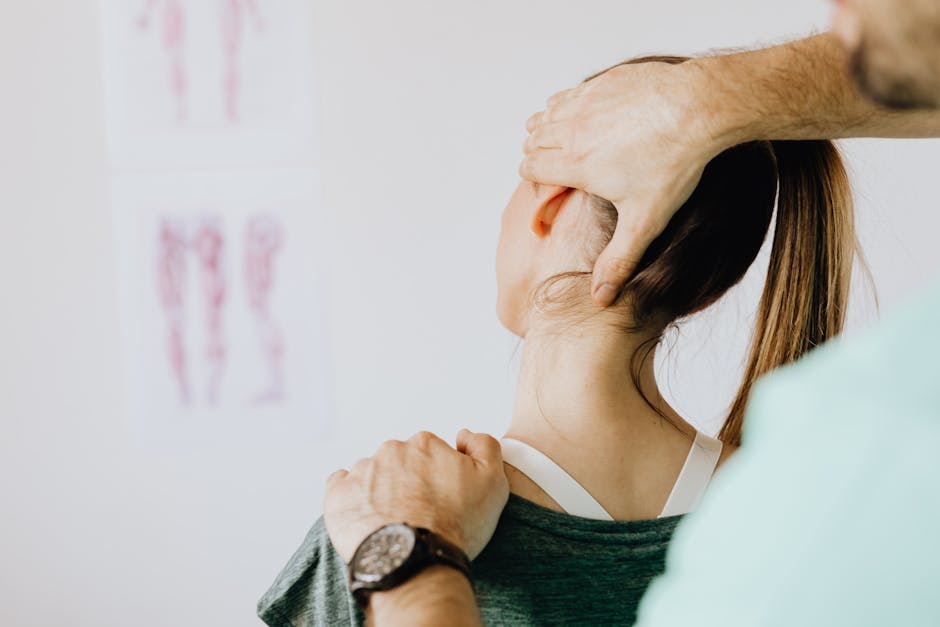
Living in Tonawanda, New York, many of us enjoy an active lifestyle—whether it’s taking in the scenery along the Niagara River, playing sports at local parks, or simply shoveling snow in the winter months. With all this movement, it’s not uncommon to notice unusual sensations in our bodies. One of the most frequent questions I get as a chiropractor is: “What causes clicking in the neck?” If you’ve ever tilted your head or rolled your shoulders and heard a clicking or popping sound, you aren’t alone. Let's explore why this happens, when it may be a concern, and what you can do about it.
What Is Neck Clicking?
Neck clicking, or “crepitus,” refers to any audible sound that comes from your neck when you move it. This can include popping, cracking, or grinding noises. Some people may feel the click but not hear it. Occasional neck clicking is usually harmless, but repeated or painful clicking may be a sign of an underlying issue.
Common Causes of Clicking in the Neck
There are several reasons why you may experience clicking in your neck:
- Gas Bubbles in the Joints: The most benign and frequent cause. Our synovial joints contain fluid that helps lubricate movement. Over time, gas (usually nitrogen and carbon dioxide) can build up in this fluid. When you move your neck suddenly, these gas bubbles may "pop," much like cracking knuckles.
- Tendons or Ligaments Moving: Tendons and ligaments can move slightly out of place and snap back as you move your head, causing a clicking or snapping sound. This is common during quick or exaggerated motions, such as looking over your shoulder when backing up your car on Sheridan Drive or sweeping the snow off your driveway.
- Joint Dysfunction or Misalignment: Restricted motion or misalignments in the cervical spine can result in abnormal movement, sometimes producing clicking or a sensation of grinding. This can develop from postural stress—perhaps after spending long hours working at a computer during the cold Tonawanda winters.
- Arthritis: Osteoarthritis causes the cartilage between the vertebrae in your neck to wear down over time, leading to clicking, grinding, or crunching sounds as the bones rub together. This is more common with age, but can be accelerated by prior injuries or repetitive strain.
- Injury or Trauma: An old sports injury from playing at Lincoln Park or a recent fender bender on the I-290 can lead to lasting changes in the way your neck moves, possibly resulting in ongoing clicking or popping.
When Is Neck Clicking a Cause for Concern?
For most people in Tonawanda, neck clicking is harmless if it occurs occasionally and is not accompanied by pain, numbness, tingling, or loss of mobility. However, you should seek professional evaluation if you experience any of the following:
- *Persistent pain, stiffness, or swelling in the neck*
- *Radiating symptoms (pain, tingling, numbness) in your arms or hands*
- *History of trauma to the neck*
- *Loss of strength or coordination in your extremities*
- *Frequent, loud, or worsening clicking sounds*
These symptoms may indicate a more serious issue, such as a herniated disc, nerve impingement, or severe joint dysfunction.
Is Neck Cracking Safe?
Many people ask if it’s safe to "crack" their own necks. While occasional, incidental clicking is usually fine, repeatedly forcing your neck to crack can cause harm over time. Excessive self-manipulation may lead to ligament laxity or even increase your risk of joint damage. If you feel the urge to click your neck frequently, it may be a sign that something is out of alignment—a good reason to consult a professional.
Why Is Neck Clicking Common in Tonawanda?
Tonawanda’s mix of modern work habits and outdoor recreation can put unique demands on your neck. Here are a few locally relevant factors:
- *Cold Weather Stiffness:* Winters in Tonawanda are famously brisk, and the cold can make muscles tighter, leading to stiffer necks and more joint clicks.
- *Active Lifestyles:* Participation in recreational sports, working in local manufacturing, or even frequently clearing your driveway can cause repetitive neck movements and increased clicking.
- *Tech Neck:* With more people working from home or spending time on devices, poor posture is a growing concern, leading to misalignments that promote neck crepitus.
Tips to Prevent and Minimize Neck Clicking
A few lifestyle modifications can go a long way to keeping your neck healthy and noise-free:
- Practice Good Posture: Especially in front of computers and smartphones. Keep your screen at eye level and avoid forward head posture.
- Stay Active: Regular movement helps maintain joint flexibility and reduces stiffness.
- Warm Up in Cold Weather: Before shoveling or heading out for a winter walk, gently stretch your neck and shoulders.
- Avoid Excessive Self-Manipulation: Resist the urge to constantly crack your neck, especially if you feel you “have to” for relief.
- Strengthen Supporting Muscles: Gentle exercises to strengthen your neck, shoulders, and upper back can improve stability and reduce abnormal sounds.
- Take Breaks: If your work involves repetitive tasks or long drives, take regular breaks to stretch and move your neck.
When to See a Specialist
If you notice persistent or painful clicking, or any of the concerning symptoms listed earlier, it’s important to seek advice from a qualified healthcare provider. In Tonawanda, chiropractors are well-versed in evaluating neck issues and can tailor treatment to your needs—especially if your lifestyle places unique demands on your body.
A thorough assessment may include:
- A review of your symptoms and activities
- Physical examination of your neck and spine
- Imaging tests, such as X-rays, if warranted
Treatment options may include chiropractic adjustments, posture correction, therapeutic exercises, and advice on lifestyle modifications to help you continue enjoying everything Tonawanda has to offer.
Final Thoughts
Occasional neck clicking is a normal occurrence and generally not something to worry about—especially considering our busy and active lives here in Tonawanda, New York. However, being mindful of your neck health, staying active, and practicing good posture can help minimize unnecessary sounds and prevent discomfort. If you are concerned about neck clicking or experience other symptoms, don’t hesitate to consult a local specialist. Together, we can keep our community healthy and active for seasons to come.
