
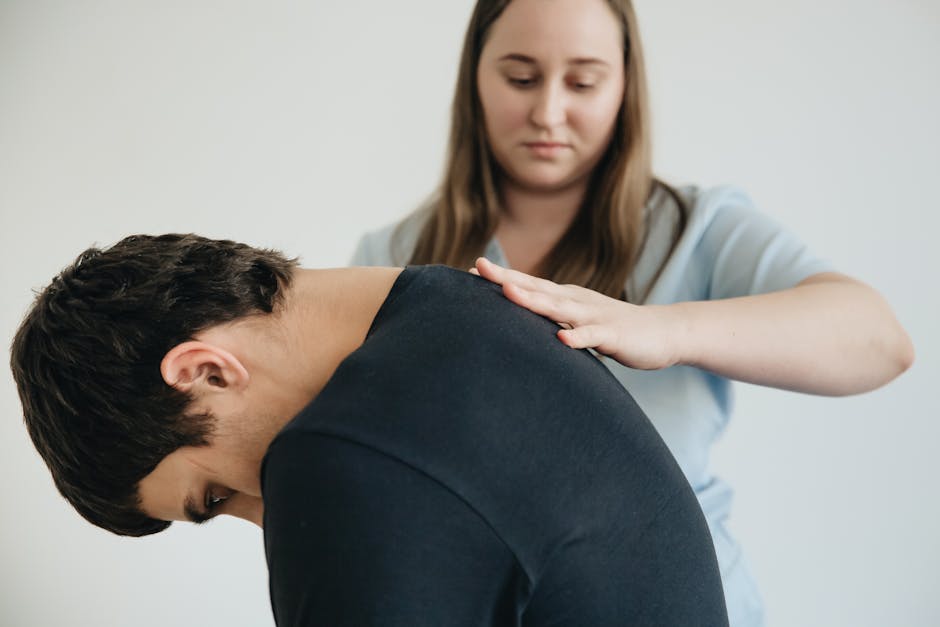
Living in Tonawanda, New York, we enjoy a vibrant community, scenic walks along the Niagara River, and close-knit neighborhoods. However, as with many communities, the demands of daily life—commutes down Sheridan Drive, hours spent at office desks, and digital screen time—can contribute to a common but often overlooked health concern: poor posture.
What is Poor Posture?
Posture describes how you hold your body when sitting, standing, or moving. Good posture means that your body's bones, joints, and muscles are aligned in a way that puts the least strain on supporting muscles and ligaments. Poor posture, by contrast, occurs when the spine is positioned in unnatural positions such as slouching or hunching, leading to muscle strain and other complications over time.
How Poor Posture Develops in Everyday Life
In Tonawanda, many of us spend a significant chunk of the year indoors due to cold weather. Whether cozied up at home or working in a downtown office, prolonged sitting and screen use are common. Common habits that cause poor posture include:
- Sitting at computers with rounded shoulders
- Slouching on the couch while watching winter hockey games
- Driving with your back unsupported during frequent trips to Buffalo
Even standing for long hours on the job, especially in retail or healthcare (two prominent local industries), can cause fatigue and lead to bad postural habits.
The Direct Impact of Poor Posture on the Body
Poor posture isn’t just about looks—it can cause wide-ranging health issues, including:
1. Spinal Misalignment
The spine is designed to support your body’s weight with its natural curves. When you consistently slouch or crane your neck forward, especially while using phones or computers, the spine is forced out of alignment. This can lead to:
- Back and neck pain
- Tension headaches
- Premature wear on spinal joints
2. Muscle Fatigue and Pain
Poor posture causes certain muscle groups to work harder than they should. Over time, this constant strain leads to:
- Chronic muscle tightness—especially in the upper back and shoulders
- Weak core muscles
- Increased risk of muscle injuries
3. Reduced Lung Function
When you slouch, your chest cavity compresses. This reduces lung capacity, making it harder to breathe deeply. For Tonawanda residents who enjoy outdoor activities like kayaking or hiking the trails of Ellicott Creek Park, this means less endurance and energy.
4. Poor Circulation
Sitting with your legs crossed or slumped for hours, which is common during long commutes or while lounging at home on snowy evenings, restricts blood flow. This can lead to:
- Swollen feet and ankles
- Varicose veins
- Numbness and tingling in extremities
The Surprising Ways Poor Posture Affects Your Overall Health
Beyond muscle and joint symptoms, poor posture can contribute to:
Digestive Issues
Compression of your abdominal organs from slouching may slow down digestion, potentially causing bloating, constipation, and even acid reflux.
Mental Wellbeing
Studies show that body posture can affect mood and energy levels. Consistently poor posture can contribute to feelings of fatigue, low self-esteem, and even depression—especially during Tonawanda’s long, gray winters when seasonal affective disorder is a concern.
Headaches and TMJ Disorders
Forward head posture can increase tension in neck muscles and jaw, sometimes leading to tension headaches and problems with the temporomandibular joint (TMJ).
How to Recognize Poor Posture
Checking your posture is easier than you might think. Some common signs include:
- Rounded shoulders or hunchback appearance
- Frequent back, neck, or shoulder pain
- Head that juts forward from the body
- Soreness or stiffness after sitting or standing
- Feeling more fatigued after short periods of activity
If you find you’re often slouched at your desk or on your phone, it’s likely your posture needs attention.
Practical Tips for Improving Your Posture in Tonawanda
Changing lifelong habits isn’t easy, but small adjustments can make a big difference:
At Work and at Home
- Adjust your chair and monitor height so your screen is at eye level
- Use a pillow or lumbar support when driving or sitting for long periods
- Set a timer to stand up and stretch every 30 minutes
During Daily Activities
- When carrying groceries from Tops or Wegmans, use two bags to distribute weight evenly
- Wear supportive footwear when walking to local parks, especially in icy or snowy conditions
- Try simple exercises like wall angels, chin tucks, and shoulder blade squeezes
Stay Active
Tonawanda offers plenty of opportunities for movement—take advantage! Walking the riverwalk, exploring Isle View Park, or joining a local yoga class can all help strengthen postural muscles.
Seek Professional Guidance
If you’re dealing with ongoing pain or discomfort, consider visiting a local chiropractor for a postural assessment. Chiropractic care can address underlying issues and provide you with a personalized program of stretches and exercises.
Wrapping Up
Posture may seem like a small detail, but it impacts your entire body—far beyond just aches and pains. In Tonawanda, where lifestyle habits and seasonal changes can easily lead to prolonged sitting or inactivity, focusing on posture is a proactive step towards long-term health and wellness.
Next time you catch yourself slouching at the dining table or leaning over your phone at the Gateway Harbor, remember: small changes today can help you feel stronger and healthier for all of Tonawanda’s seasons ahead.
