
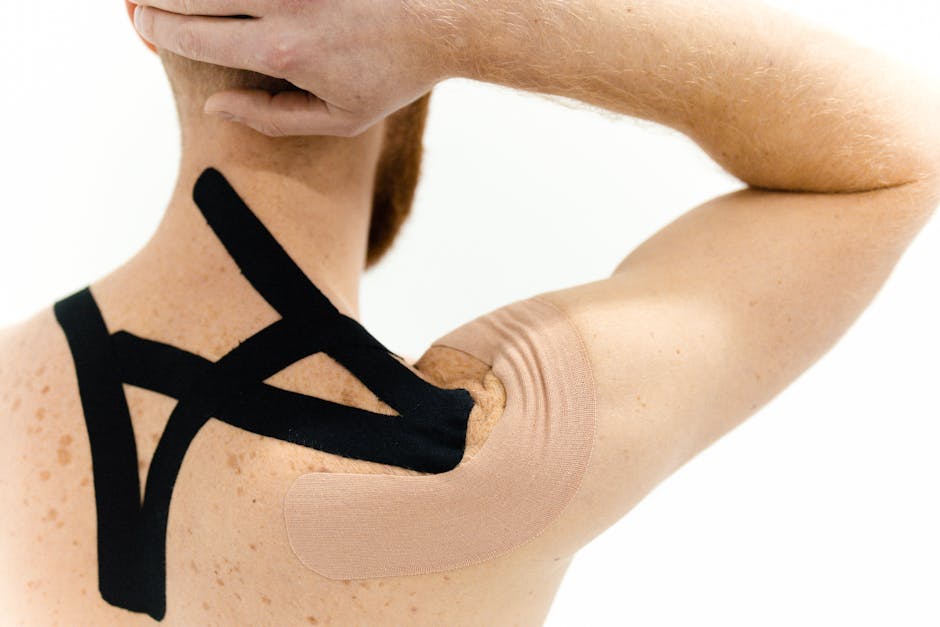
Whether you’re a young athlete gearing up for varsity hockey at Lincoln Arena or a weekend warrior hitting the Erie Canalway Trail for a run, sports and recreation are part of the Tonawanda lifestyle. Unfortunately, back injuries can sideline even the most active participants, making prevention a top priority for our local athletes. Understanding how to protect your spine, from youth league soccer games at Kenney Field to adult pickup basketball at the YMCA, will keep you enjoying everything our community has to offer.
Why Are Back Injuries So Common in Sports?
Back injuries are particularly prevalent in sports due to repetitive movements, sudden twists, and physical contact. Activities popular in Tonawanda, like football, baseball, cycling, and even kayaking on Ellicott Creek, put varying degrees of stress on the spine. Without proper preparation and awareness, athletes risk muscle strains, ligament sprains, disc issues, and other painful conditions.
Warm Up the Tonawanda Way
Before you dive into your favorite sport, a thorough warm-up is your first line of defense. A cold body is more susceptible to injury, especially during unpredictable Western New York weather.
- Spend 5-10 minutes doing light aerobic activity—a brisk walk along Isle View Park or pedaling on the bike path works perfectly.
- Incorporate dynamic stretches targeting back muscles. Try gentle trunk rotations, leg swings, and arm circles to get your spine mobile.
- Finish with sport-specific movements (for example, shadow swings for tennis at Brighton Park courts).
Build a Strong Core for Spine Support
Your core muscles are crucial for back stability. Tonawanda athletes should condition their abs, obliques, and lower back regularly, not just during their sport season.
- Planks, bird-dogs, bridges, and side planks are all excellent for core strength.
- Consistent strength training, two or three times a week, is best—include it in your regular routine at local gyms or at home.
- Add balance activities, such as using a stability ball, which challenge your core and improve your spinal support.
Perfect Your Technique
Local leagues and pickup games often focus on fun, but proper technique is vital. Incorrect form during throwing, running, lifting, or jumping is a leading cause of injuries.
- Work with coaches in Tonawanda’s youth programs or get professional instruction for your sport.
- Pay close attention to posture during activities—keep your back straight and avoid excessive twisting or bending.
- Watching yourself on video during practice can reveal posture issues that you may not notice otherwise.
Cross-Train and Rest
Specializing too early or playing a single sport year-round (common in competitive youth athletes) increases overuse injuries. Fortunately, the diversity of recreation in Tonawanda offers lots of cross-training options.
- Alternate sports or physical activities throughout the week.
- Participate in non-impact exercise, such as swimming at the Tonawanda Aquatic and Fitness Center, to give your back a break.
- Prioritize adequate rest days—muscles and ligaments need time to recover and heal.
Adapt to Tonawanda’s Seasons
Winter and summer sports demand adaptation due to Western New York’s changing weather. Cold muscles are more likely to be injured, and slippery conditions increase risk.
- In colder months, wear appropriate layers and take extra time warming up before skating or snowboarding at local parks.
- When temperatures soar, stay hydrated and avoid excessive back strain during high heat and humidity.
- Regularly check sports facilities for safe, dry surfaces to minimize risks, especially after rain or snow.
Choose the Right Equipment
Poorly-fitted or worn-out gear contributes to injuries. Whether you’re playing ice hockey, golf, baseball, or other sports in Tonawanda, use equipment that suits your body and activity level.
- Replace footwear regularly, as old shoes can lead to poor support and posture problems.
- Select sporting gear, like tennis rackets or hockey sticks, in the correct size and weight for your build.
- Ensure backpacks, sports bags, and protective gear are snug and comfortable to prevent unnecessary back strain.
Listen To Your Body and Seek Local Support
Don’t ignore early warning signs like back stiffness or persistent soreness. The quicker you respond to aches, the easier it is to prevent an injury from worsening.
- Apply ice to new aches and rest if pain lasts more than a couple of days.
- Stay in tune with your body’s limits—even if you’re excited about an upcoming league game on Sahlen’s mini fields.
- Consult a local professional when needed—chiropractors and sports medicine providers in Tonawanda can assess your risk factors, provide spinal adjustments, or recommend rehab exercises specific to your needs.
Back Injury Prevention in Tonawanda: Community First
One of Tonawanda’s strengths is its sense of community. Use that to your advantage by sharing injury prevention tips with teammates and coaches. Participate in community wellness programs and workshops that focus on conditioning, safe play, and spinal health.
By prioritizing prevention and staying informed, you can reduce your risk of sports-related back injuries significantly. That means more time enjoying the best of what Tonawanda has to offer—whether you’re paddling the Niagara River, competing on local sports teams, or strolling through Niawanda Park. Protect your back, play safe, and keep our community active and thriving!
