
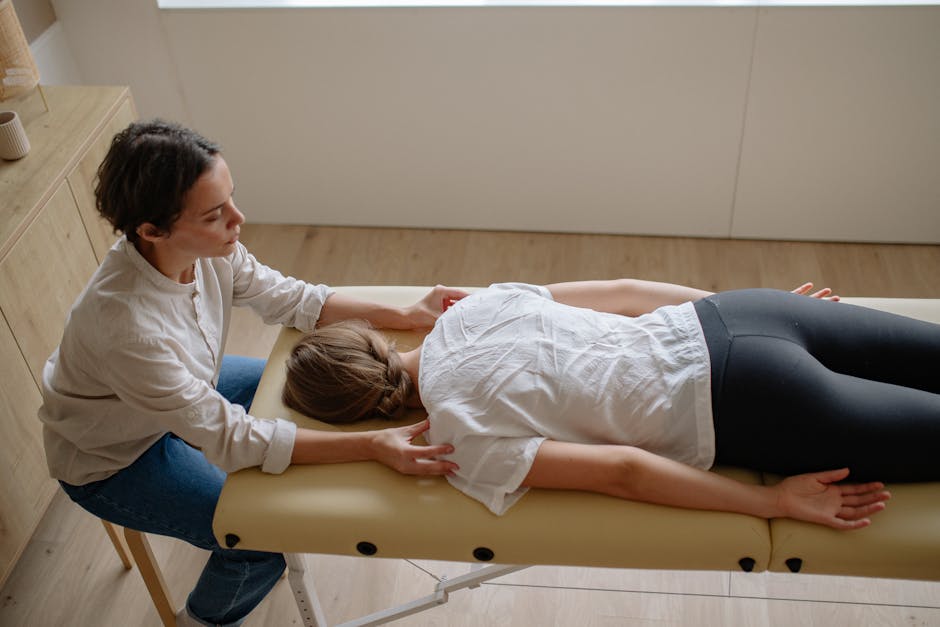
Living with scoliosis—an abnormal lateral curvature of the spine—can significantly impact daily life. For residents of Tonawanda, New York, where year-round participation in outdoor activities and community events is common, finding effective, non-invasive ways to manage scoliosis symptoms is especially important. Many individuals in the area are curious about whether chiropractic care can play a role in managing scoliosis. Let’s explore how chiropractic approaches may help, what to expect, and what evidence says about this natural therapy.
Understanding Scoliosis
Scoliosis is most commonly diagnosed in children or adolescents, but it can affect people of all ages. Causes of scoliosis range from congenital spine deformities to neuromuscular conditions or even idiopathic origins (where the cause is unknown). While mild cases might not require active intervention, moderate to severe curves can impact posture, cause pain, and sometimes lead to breathing issues.
Scoliosis Challenges in Everyday Tonawanda Life
Tonawanda residents enjoy access to local parks, waterfront activities along the Erie Canal, and community sports. For those with scoliosis, participation in these activities can be hampered by back pain, limited mobility, or fatigue. Prolonged standing at festivals, hours spent boating, or even enjoying a stroll along Niagara River can become challenging.
This often raises a common question in search engines and healthcare forums: *Can chiropractic care help manage scoliosis symptoms and improve quality of life?*
How Chiropractors Approach Scoliosis
Chiropractic care emphasizes holistic, non-invasive interventions to improve spinal health. In the context of scoliosis, chiropractors typically develop individualized care plans that may include:
- Spinal adjustments: Gentle, targeted manual adjustments aim to improve spinal alignment and mobility.
- Postural training: Education and exercises can help correct postural habits that might aggravate spinal curvature.
- Muscle strengthening: Specific exercises to strengthen muscles that support the spine and improve overall function.
- Stretching routines: Customized stretches help address muscle tightness and maintain flexibility.
- Lifestyle recommendations: Tips on ergonomic seating, lifting techniques, or sleep positions that can reduce daily strain.
What Does the Evidence Say?
Chiropractic care does not “straighten” the spine in cases of structural scoliosis, especially in cases requiring bracing or surgery. Instead, chiropractic aims to manage secondary issues, such as:
- Reducing associated back pain and muscle tension
- Improving functional movement and mobility
- Enhancing postural control and balance
Research indicates that chiropractic care can be beneficial as part of a multidisciplinary management plan for scoliosis, especially for pain control and maintenance of mobility. Patients report improvements in discomfort and quality of life, even if the underlying curvature remains unchanged.
What to Expect During Chiropractic Visits
In Tonawanda, chiropractors will typically start with a thorough evaluation, which may include:
- Review of medical history and symptoms
- Postural analysis and range-of-motion testing
- Referral for spinal X-rays if scoliosis is suspected or being monitored
Once scoliosis is confirmed, your chiropractor will discuss realistic goals tailored to your lifestyle—whether you want to keep fishing at Ellicott Creek, play with your kids at Isle View Park, or simply move pain-free at work.
Not a Substitute for Medical Monitoring
It’s important to note that chiropractic care should not replace regular check-ups with your primary care physician or orthopedic specialist. For growing children and teens, periodic X-rays and curve measurements remain essential. Severe cases may still require bracing or surgical intervention. Chiropractic is best considered an adjunct to, not a replacement for, mainstream scoliosis care.
Local Tips: Staying Active with Scoliosis in Tonawanda
Whether you’re visiting Gateway Harbor Park or walking your dog around Niawanda Park, staying active is vital for overall spinal health. Tonawanda’s changing seasons offer year-round opportunities—and challenges—for residents with scoliosis.
- In winter, focus on low-impact indoor activities such as yoga or swimming at local facilities.
- Protect your back and minimize slips by wearing supportive footwear when enjoying snowy walks.
- In warmer months, balance outdoor activity with proper warm-ups and stretching routines.
- Consider ergonomic seating if you’re spending time at community events or festivals.
A chiropractor familiar with the Tonawanda lifestyle can provide personalized recommendations for enjoying these activities safely.
When Should You See a Chiropractor for Scoliosis?
Consider a chiropractic evaluation if you or your child:
- Experience ongoing back pain or stiffness with scoliosis
- Notice changes in posture, such as an uneven waist or shoulders
- Struggle to participate in local activities you once loved
- Want to explore non-pharmacological options for symptom management
Early intervention and a holistic approach can lead to better outcomes.
Conclusion: Partnering with Chiropractic for Better Living
While chiropractic care cannot cure scoliosis, many in Tonawanda have found that regular care can help manage symptoms, reduce pain, and support an active, community-focused lifestyle. Integrating chiropractic with regular medical monitoring ensures a comprehensive and balanced approach to scoliosis management, helping you make the most of everything our beautiful area has to offer.
If you’re curious about natural approaches to scoliosis, talking to a trusted local chiropractor is a great first step toward improved comfort and mobility.
