
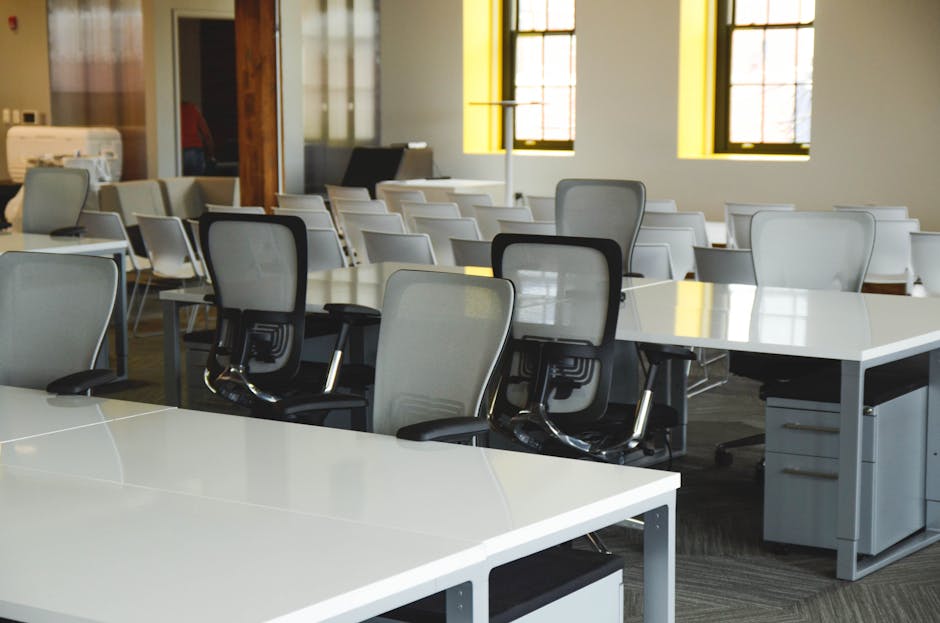
Office work is a way of life for many in Tonawanda, New York, with local businesses ranging from bustling call centers to healthcare administrators spending long hours at a desk. While this work is vital to the local economy, it often comes with a hidden price—chronic back pain, neck stiffness, and repetitive strain injuries. As a trusted chiropractor serving the Tonawanda community, I see these issues frequently. Fortunately, a few simple chiropractic tips can make a world of difference for office workers who want to stay healthy, comfortable, and productive.
Why Office Workers in Tonawanda Experience Musculoskeletal Pain
Working in an office might seem low-impact, but sitting for extended periods can take a toll on your body. Tonawanda’s cold winters may lead you to stay inside more and move less, making regular activity even more essential to prevent stiffness and pain.
Some common complaints from local office workers include:
- Lower back pain from slouching or poor lumbar support
- Neck pain and headaches from forward head posture
- Wrist and forearm discomfort from repetitive typing
- Hip and leg tightness from remaining seated too long
Ergonomic Desk Setup for Healthy Posture
One of the best ways to prevent office-related pain is by optimizing your workspace for ergonomics. This ensures your body is properly aligned and supported throughout the workday, whether you’re in a traditional Tonawanda office or working remotely from home.
- Chair: Choose a chair with good lumbar support and adjustable height. Your feet should rest flat on the floor, and your knees should be at hip level or slightly lower.
- Monitor Position: The top of your computer screen should be at eye level, about arm’s length away, to prevent slouching or craning your neck.
- Keyboard and Mouse: Keep them close so your elbows remain at a comfortable 90-degree angle. Use a wrist rest to minimize strain.
- Desk Height: Your desk should allow your shoulders to relax, with arms parallel to the floor when typing.
Movement Breaks: Combatting Sedentary Office Habits
Many Tonawanda office workers head to their desk early and leave after sunset, particularly during the long winter months. This makes regular movement crucial for spinal and muscular health.
- Set an Alarm: Every 30-60 minutes, stand up and stretch, do a quick walk around the office, or march in place.
- Desk Stretches: Simple exercises can relieve tension. Try shoulder shrugs, neck rotations, and seated twists.
- Walk Local Trails: Take advantage of nearby trails like Ellicott Creek Park or the Tonawanda Rails-to-Trails for brisk walks during breaks or lunch.
Manage Stress and Tension
Chiropractors know that stress can exacerbate musculoskeletal pain. The fast pace of office work, combined with external pressures, raises tension in the shoulders, neck, and back. Relaxation techniques can reduce this impact.
- Deep Breathing: Inhale deeply, hold for a few seconds, and exhale slowly. Repeat several times throughout the day.
- Mindfulness: Take a few moments to notice your posture and body sensations. Adjust your position and focus on relaxation.
- After-Work Activities: Join a local yoga class, visit Tonawanda’s aquatic centers, or enjoy a decompression walk on the waterfront.
The Importance of Proper Hydration and Nutrition
While the break room may tempt you with coffee and sweet treats, staying hydrated and eating well supports joint and tissue health.
- Water Intake: Keep a water bottle at your desk and refill regularly, aiming for at least 8 cups a day.
- Nutritious Snacks: Choose fruits, nuts, and vegetables, which provide vitamins and minerals that keep your musculoskeletal system resilient.
Recognizing When to See a Chiropractor in Tonawanda
If you’re diligent about your workspace and wellness habits but still experiencing pain, it may be time to consult a professional. Chiropractic care offers effective and drug-free treatment for:
- Persistent lower back or neck pain
- Headaches that begin during or after work hours
- Tingling, numbness, or weakness in the arms or legs
- Reduced range of motion or joint stiffness
A chiropractor can assess your spinal health, provide targeted adjustments, recommend personalized exercises, and offer ergonomic advice tailored to your needs.
Local Resources and Wellness Tips for Tonawanda Office Workers
Taking advantage of what Tonawanda has to offer can enhance your wellness:
- Outdoor Recreation: The Erie Canalway Trail provides a scenic route for walking or biking after work.
- Community Centers: Check out the Tonawanda Aquatic & Fitness Center for swimming and low-impact exercise.
- Health Initiatives: Participate in workplace wellness programs or Tonawanda’s community health fairs for free screenings and advice.
Frequently Asked Questions from Tonawanda Office Workers
Q: Can chiropractic care really help with “desk job” pain?
A: Yes! Chiropractic treatments can realign the spine, restore normal motion, relieve pinched nerves, and offer practical strategies for long-term prevention.
Q: How often should I stretch at my desk?
A: Aim to move or stretch every 30-60 minutes. Set a recurring reminder if needed.
Q: What’s a simple stretch I can do without leaving my chair?
A: Try a seated spinal twist: Sit up straight, place your right hand on the back of your chair, and gently twist your torso to the right. Hold for 10 seconds and repeat on the other side.
Conclusion
Office work doesn’t have to mean a lifetime of aches and pains. With the right ergonomic setup, regular movement, stress management, and chiropractic care, Tonawanda office workers can maintain their health and productivity all year long. Listen to your body, make small positive changes, and leverage local resources to stay pain-free and energized at work!
