
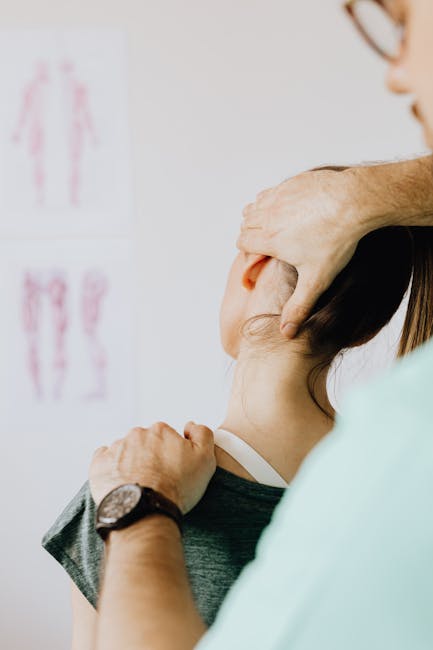
Neck pain is an all-too-common complaint, especially among residents of Tonawanda, New York, where daily routines can range from long commutes to hours spent at a desk or participating in the region’s active outdoor lifestyle. Whether you’re strolling along the Niagara Riverwalk, working in downtown Buffalo, or enjoying local parks like Isle View or Ellicott Creek, preventing recurring neck pain is crucial to preserving your mobility and quality of life.
Understanding Neck Pain: Why Does It Keep Coming Back?
Recurring neck pain often stems from everyday habits that place stress on the muscles, ligaments, and tendons supporting your cervical spine. In Tonawanda, common risk factors include:
- Poor posture at work or home—especially with increased remote work setups.
- Repetitive use of electronic devices (“tech neck”).
- Cold weather stiffening muscles during Western New York’s extended winters.
- Lifting heavy objects, typical for those enjoying gardening or home improvement.
Top Tips to Prevent Recurring Neck Pain
1. Maintain Good Posture at All Times
Proper posture is one of the simplest yet most effective strategies to prevent neck discomfort. When sitting at your Tonawanda office desk, ensure that:
- Your monitor is at eye level to avoid straining your neck downward.
- Shoulders are relaxed and back, not hunched.
- Feet rest flat on the floor or a footrest.
2. Set Up an Ergonomic Workspace
Long Buffalo-Niagara commutes and increasing hours at computer screens increase your risk of neck pain. Make these adjustments:
- Choose a supportive chair that keeps your back in alignment.
- Use a headset for calls instead of holding the phone between your ear and shoulder.
- Place documents and devices within easy reach to avoid overextending.
3. Stretch Regularly, Especially in Colder Weather
Tonawanda’s winter chills can often stiffen neck muscles. Schedule a few minutes each morning and throughout the day for gentle stretches:
- Chin tucks – Pull your chin straight back like you are making a “double chin.”
- Neck side bends – Tilt your head gently toward each shoulder.
- Shoulder rolls – Roll shoulders forward and backward to reduce tension.
Before venturing out to sled with the kids in Lincoln Park or shovel snow from your walk, these stretches can prepare your muscles for activity.
4. Prioritize Physical Activity
Sedentary routines are a culprit for neck pain, but Tonawanda’s access to scenic walking trails and recreation facilities gives plenty of reason to stay moving. Regular activities help improve flexibility and strengthen neck and upper back muscles:
- Walk or bike along local trails.
- Join classes at the Tonawanda Aquatic & Fitness Center.
- Participate in gentle yoga or tai chi, either locally or at home.
5. Sleep with Your Neck in a Neutral Position
Chilly nights in Erie County often mean curling up for extra warmth, but be mindful of your neck’s alignment:
- Use a pillow that supports the natural curve of your neck.
- Avoid sleeping on your stomach, as this can twist the neck.
- Try to maintain sleeping positions that keep your head and spine aligned.
6. Warm Up Before Physical Activities
Whether you’re raking leaves along suburban streets, playing recreational sports, or preparing for winter activities, always warm up your neck and upper back with light movement. Cold, tight muscles are more prone to strain.
7. Manage Stress Effectively
Stress tightens neck and shoulder muscles, fueling recurring pain. With Tonawanda’s blend of work and family life, it’s essential to:
- Practice mindfulness, meditation, or breathing exercises.
- Take breaks for relaxation—perhaps during a walk through Niawanda Park or a quiet moment by the canal.
- Engage in hobbies to balance work stress.
8. Mind Your Screen Time
From scanning local news to checking social media, excessive device use contributes to neck strain. To reduce “tech neck”:
- Hold devices at eye level.
- Take frequent breaks—follow the 20-20-20 rule: every 20 minutes, look at something 20 feet away for 20 seconds.
- Encourage children and teens in the household to balance screen entertainment with outdoor activities.
9. Stay Hydrated and Eat for Muscle Health
Proper hydration and nutrition support tissue health and recovery. Enjoy hydrating beverages and choose foods rich in magnesium, calcium, and protein. Local farmers’ markets offer fresh produce that supports overall wellness.
10. Seek Professional Guidance Early
If you experience recurring neck pain that doesn’t resolve with self-care, reach out to a chiropractor or healthcare provider in Tonawanda. Early intervention can:
- Identify underlying issues such as joint dysfunction or muscle imbalance.
- Provide tailored exercises or therapy.
- Prevent minor issues from becoming chronic problems.
When to See a Professional
While self-care strategies are effective for most mild discomfort, seek immediate help if your neck pain is accompanied by:
- Numbness, weakness, or tingling in your arms or hands.
- Difficulty with balance, coordination, or walking.
- Severe pain following an injury (such as a slip while navigating icy sidewalks in Tonawanda winter).
Supporting Neck Health in the Tonawanda Community
Staying active year-round—whether you’re ice skating in winter or kayaking in summer—demands a commitment to neck and spine health. By incorporating proper posture, regular stretching, ergonomic adjustments, and mindful activity into your day, you can enjoy Tonawanda’s vibrant lifestyle without the setback of recurring neck pain.
Remember, prevention is key. Adjust your habits before neck pain takes root, and don’t hesitate to consult a healthcare professional if symptoms persist or worsen. A pain-free neck means more freedom to explore all that Tonawanda and the greater Buffalo-Niagara region have to offer.
